

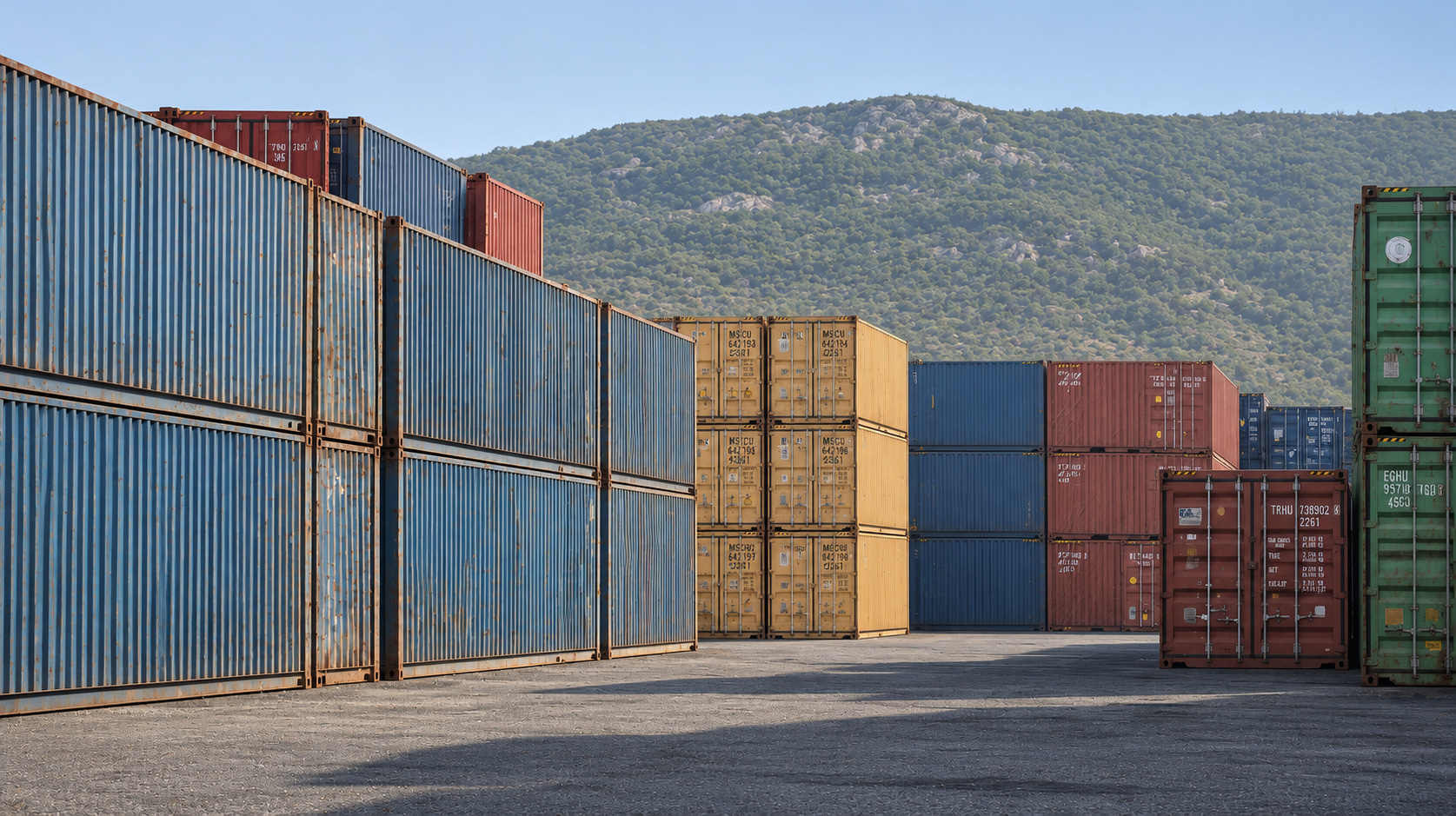
Trade Finance
Trade finance bridges the gap between shipment and payment. GEO structures and arranges the facilities that let exporters, importers and traders move goods without tying up their own working capital.
Trade finance instruments
The group is independent of any lender. For each transaction it selects the funder, structures the facility and manages the application through to drawdown.
- Lending facilities
- Working capital, borrowing-base and revolving trade facilities sized to the flow of goods rather than the balance sheet.
- Letters of credit
- Issuance, confirmation and discounting, so that payment is secured by a bank's undertaking rather than the buyer's promise.
- Export factoring
- Receivables sold at a discount for immediate cash, with collection handled by the factor.
- Forfaiting
- Purchase of medium-term export receivables without recourse to the exporter.
- Export credits
- Agency-backed finance for capital goods, equipment and projects, with tenors that match the asset.
- Insurance and guarantees
- Credit insurance, bonds and guarantees that secure international commercial contracts and reduce the risk carried by each party.
- EXIM Banks & RMA Correspondent Banking Network
- Trade finance through export-import (EXIM) banks and a correspondent banking network built on SWIFT RMA relationships, for letters of credit, guarantees and payments across borders, and all related work.

Who it is for
- Exporters and importers
- with payment terms of up to 180 days between shipment and settlement.
- Commodity traders
- in energy, metals, grains and soft commodities who finance cargo by cargo.
- Manufacturers and distributors
- buying raw materials or finished goods in bulk against confirmed orders.
- Mid-sized companies
- that are too large for invoice finance alone and too small for a syndicated facility.
What these businesses share is cash tied up between shipment and payment. The desk looks at the underlying contract or purchase order, the counterparty, the shipping route and documents, and the company's recent accounts, then proposes a structure and the funder best placed to take it.
Because GEO is independent of any lender, each trade can be matched with the funder that fits it, while working capital stays in the business and stock and receivables serve as security.
GEO: Trade Is War. We Finance The Victory.
Export finance
An exporter's cash is locked in invoices and purchase orders for up to 180 days. Export finance advances against those documents so that production and the next shipment are not held back by the last one.
The group arranges export finance across the product categories it knows best:
Insurance and guarantees
Insurance and guarantee products sit alongside each facility: credit insurance on the buyer, performance and advance-payment bonds on the seller, and bank guarantees where a counterparty requires one. The aim is to make an international commercial contract bankable, and to keep the risk carried by each party proportionate to its role in the trade.
Common structures
- Borrowing base — facility sized against eligible stock and receivables.
- ECA financing — export credit agency cover for capital goods and projects.
- Pre-export and prepayment — buyer or lender advances against future deliveries.
- Receivables and supply chain finance — invoices financed on the buyer's or seller's credit.
- Reserve-based lending — facilities secured on proven reserves.
- Revolving trade facility — a line that is drawn and repaid cargo by cargo.
- Senior secured — first-ranking security over the goods and their proceeds.
- Syndicated — one facility shared between several lenders.
- Warehouse finance — stock held by a collateral manager as security.
Benefits for the business
- Working capital stays in the business.
- Stock and receivables serve as security, so growth is not funded from reserves.
- Larger orders become possible.
- Bulk purchasing and economies of scale improve margin on each trade.
- The supply chain runs on time.
- Suppliers are paid when they ship, not when the end buyer settles.
- Supplier risk is reduced.
- Facilities are led by the transaction, not by the supplier's balance sheet.
- The supplier base can widen.
- New counterparties in new markets can be onboarded against bank-secured payment.
Questions and answers
Terms are defined in the glossary.
Why does trade finance matter?
The World Trade Organization estimates that 80 to 90 per cent of world trade relies on some form of trade finance, mostly short-term. When it contracts, as it did in 2008 and 2009, exports fall with it, and smaller companies are the first to lose access.
What does trade finance include?
- Bonds and guarantees
- Lending facilities
- Letters of credit
- Export factoring
- Forfaiting
- Receivables and invoice finance
- Export credits
- Insurance
- Supply chain finance
- Foreign exchange
How does a letter of credit work?
The buyer's bank, the issuing bank, undertakes to pay the seller once documents that match the credit's terms are presented. The seller's bank may add its own confirmation, taking on the issuing bank's and country risk. Payment then depends on compliant documents, not on the buyer's willingness or ability to pay.
What are the methods of payment in international trade?
From the seller's point of view, in order of security: cash in advance; a confirmed letter of credit; an unconfirmed letter of credit; documentary collection; open account. Trade finance exists to make the middle of that range workable for both sides.
What do we need from a company to begin?
The underlying contract or purchase order, the counterparty's details, the shipping route and documents, and the company's recent accounts. From these the desk can propose a structure and the funder best placed to take it.
Related domains of activity

Capital
- Fund of funds
- Investment banking and venture capital
- Merchant banking
- Sovereign bond issuance
- EU funding
- World Bank teams (past work)
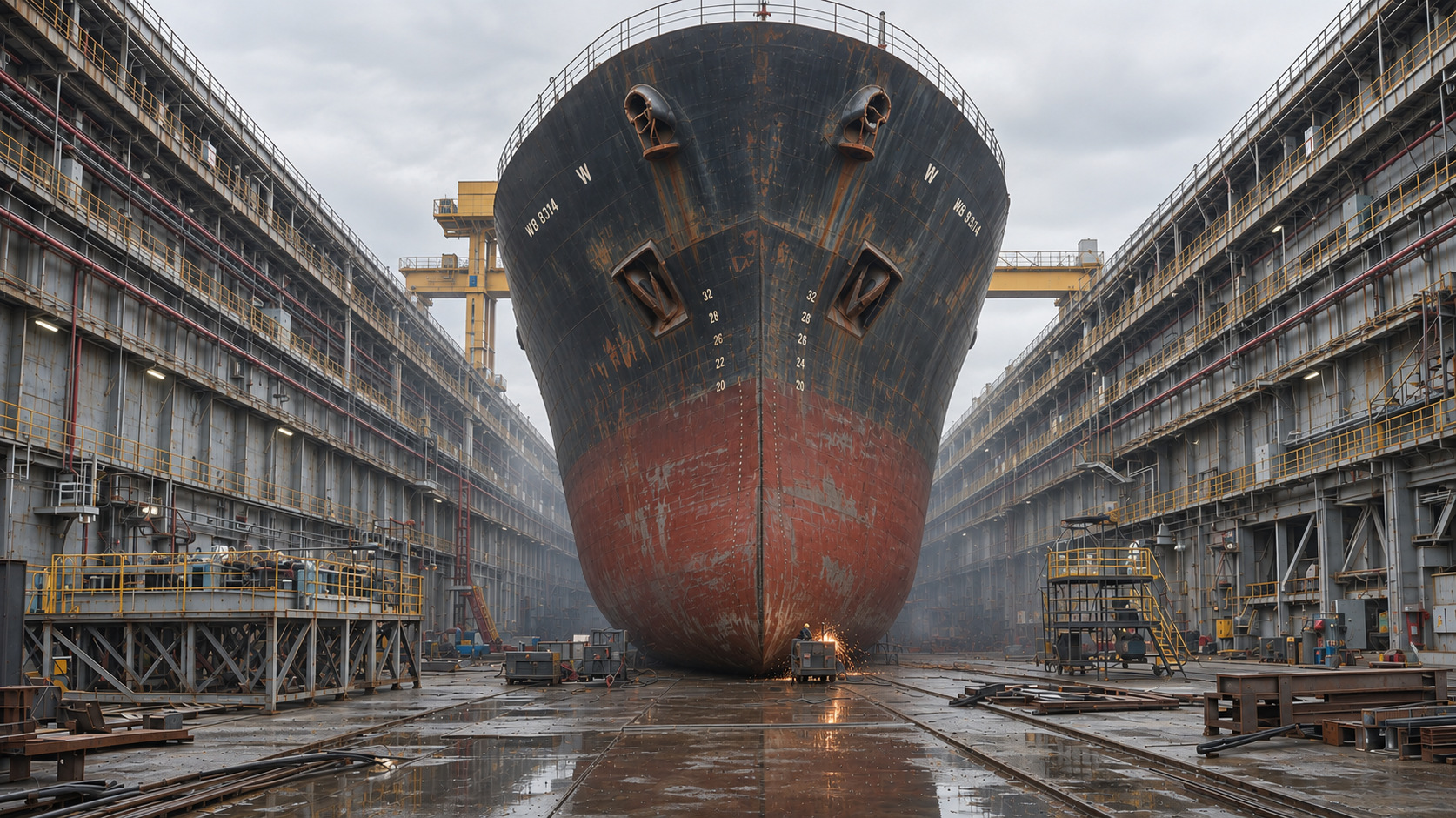
Maritime
- International shipping
- Cargo operations
- Shipyards ownership & management
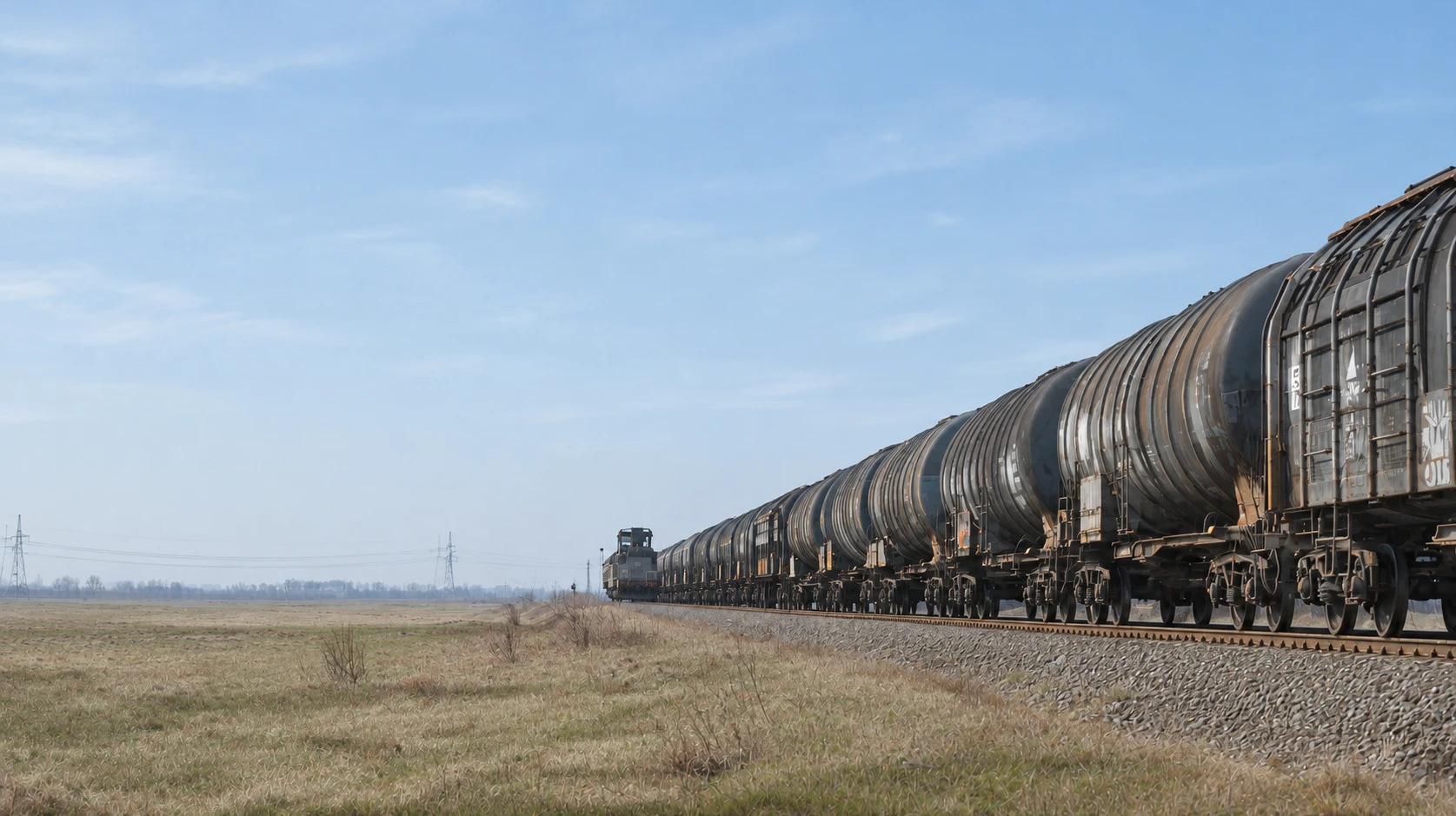
Logistics & Distribution
- Air freight
- Ocean freight
- Rail freight
- Road freight
- Distribution
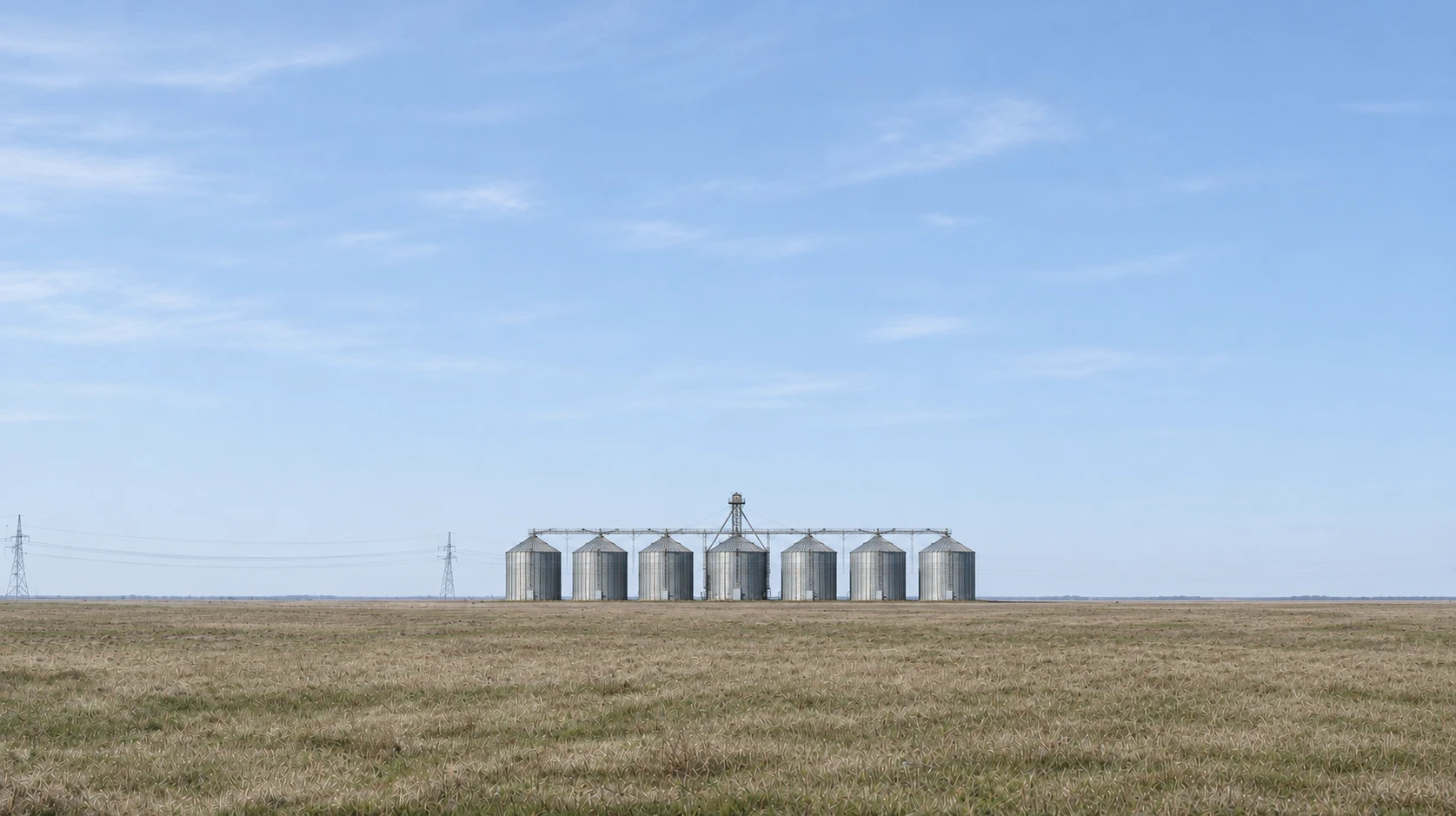
Commodities
- Energy commodities
- Food commodities